
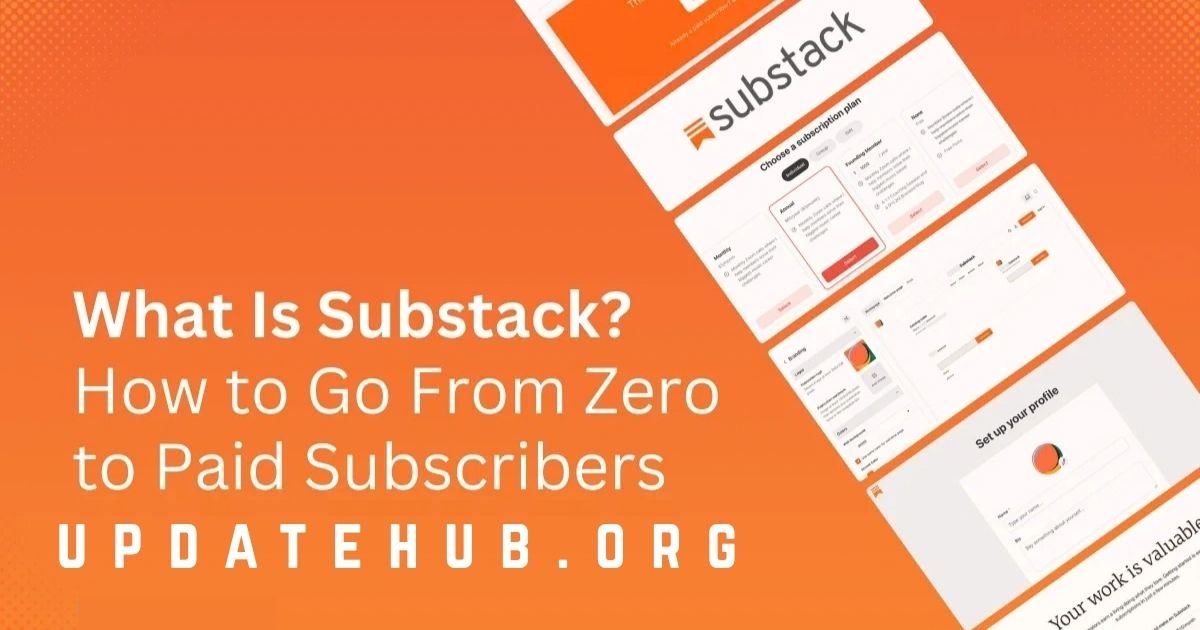
If you have recently come across writers, journalists, creators, or experts promoting their newsletters, you may have wondered what is a Substack and why it has become such a popular publishing option.
In simple terms, Substack is an online publishing platform that allows people to create newsletters, articles, podcasts, videos, and other types of content while building a direct relationship with their audience. Readers can follow publications for free, while creators can also offer paid subscriptions.
What makes Substack different from a traditional blog is the way it combines publishing with email distribution and subscriptions. A creator does not necessarily need to build a website from scratch, install complicated software, or set up a separate newsletter system before publishing.
Instead, the platform provides many of these tools in one place.
Whether you are a curious reader, an aspiring writer, a business owner, or someone considering starting a newsletter, understanding how Substack works can help you decide whether it fits your goals.
So, what is a Substack exactly? Substack is a publishing platform designed to help creators distribute content directly to readers and subscribers.
A creator can establish a publication, choose a name, write posts, publish them online, and allow people to subscribe. Depending on the publication’s settings, subscribers can receive new content through email as well as access it through the publication’s web page.
This makes Substack a combination of several familiar concepts. It can function as a blog, email newsletter, subscription service, and community-oriented publishing platform.
The phrase “a Substack” can also refer to an individual publication created on the platform. For example, when someone says they “started a Substack,” they may mean they launched their own newsletter or publication.
The platform is particularly appealing to independent creators because it reduces the technical work involved in starting an online publication.
With a traditional website, a new publisher may need to think about hosting, website design, email software, payment processing, security, and maintenance. Substack provides a more managed environment for many of these tasks.
That allows creators to focus more attention on researching, writing, recording, and communicating with their audience.
How Does Substack Work?
Understanding what is a Substack becomes much easier when you look at how a typical publication operates.
The basic process is straightforward:
- A creator creates a publication.
- They choose a topic, name, and description.
- They publish articles or other content.
- Readers discover the publication.
- Readers can subscribe for free or pay when a publication offers premium subscriptions.
- New posts can be delivered to subscribers by email.
- The creator continues publishing and developing the audience.
The result is a direct communication channel between the publisher and reader.
Traditional websites often depend heavily on search engines or social media to bring visitors back. With a newsletter-based publication, subscribers can receive updates directly in their inbox.
That does not mean every publication automatically becomes successful. Building an audience still requires valuable content, consistency, promotion, and credibility.
Substack provides the infrastructure, but creators still need to give people a reason to subscribe.
How Readers Experience Substack
For readers, the experience can be quite simple.
A person discovers a publication they find interesting and chooses to subscribe. If it is free, they can receive available posts without paying. If the creator offers premium content, the reader can decide whether a paid subscription is worthwhile.
Readers can also discover other publications and interact with content through the platform’s broader community features.
This makes Substack more than an email delivery tool. It has increasingly developed into an ecosystem where readers can discover, follow, and support independent creators.
What Can You Publish on Substack?
One reason the answer to what is a Substack has expanded over time is that publishing is no longer limited to traditional written newsletters.
Written articles remain central, but creators can use several content formats depending on their audience and subject.
Articles and Newsletters
Written posts are one of the most common forms of Substack content.
Creators can publish:
- Personal essays
- Newsletters
- Opinion pieces
- Educational guides
- Industry analysis
- Research
- Reviews
- Interviews
- Commentary
- Long-form journalism
A publication can focus on virtually any subject as long as the creator has something useful, interesting, or distinctive to offer.
Podcasts
Substack can also be used by podcast creators who want to connect audio content with a subscription-based audience.
A podcast publication can include episodes alongside written posts, show notes, announcements, and other subscriber content.
This can be particularly useful for creators who want their written and audio work to exist within the same publication.
Video Content
Video is another format available within the broader Substack publishing ecosystem.
Creators can use video for interviews, educational material, commentary, discussions, demonstrations, or exclusive subscriber content.
Having multiple formats gives publishers more flexibility when deciding how to communicate with their audiences.
Notes and Short-Form Content
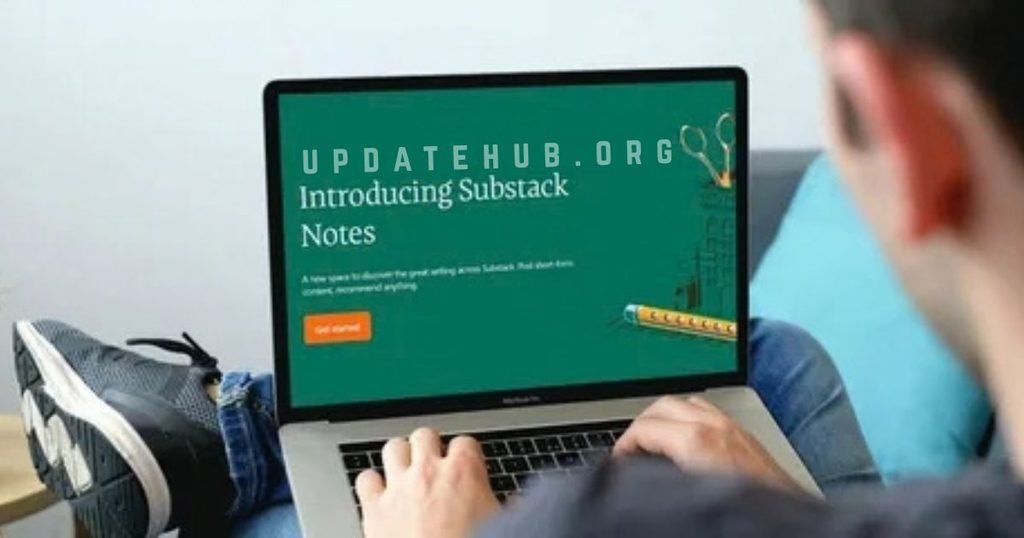
Substack also includes Notes, which provide a shorter-form way to share thoughts, links, recommendations, and observations.
While a traditional newsletter may involve a carefully prepared article, short-form features can be useful for quick updates and audience interaction.
This social element helps distinguish modern Substack publishing from the older concept of a simple email newsletter.
How Do Substack Subscriptions Work?
Subscriptions are an important part of understanding what is a Substack, especially for readers.
A publication can have free subscribers, paid subscribers, or both.
A free subscriber can receive content that the creator makes available to the free audience. A paid subscriber may receive additional articles, podcasts, videos, community benefits, or other premium material.
The exact arrangement depends on each publication.
For example, one writer might publish almost everything for free and reserve occasional detailed reports for paying subscribers. Another might provide a limited number of free posts and keep most new material behind a subscription.
This flexibility lets creators choose a model that fits their audience.
Free and Paid Content
The difference between free and paid content is important because subscribing does not necessarily mean spending money.
Many publications allow people to subscribe for free. The reader can then decide later whether to become a paying subscriber if they find the content valuable.
For creators, this creates an opportunity to build a larger free audience while giving their most interested readers a way to provide financial support.
Can You Make Money on Substack?
If you are researching what is a Substack because you want to start a publication, monetization is likely one of your biggest questions.
Yes, creators can make money through paid subscriptions.
A creator establishes a paid subscription option and determines the price and the content or benefits available to paying members. The amount earned depends on several factors, including audience size, subscriber conversion, pricing, retention, and the value of the publication.
For example, two publications with similar numbers of free subscribers could earn very different amounts because their audiences may have different levels of interest in paid content.
What Makes a Paid Publication Valuable?
Readers are more likely to pay when a publication consistently provides something they cannot easily find elsewhere.
That could include:
- Original research
- Specialized knowledge
- Detailed analysis
- Independent reporting
- Practical advice
- Educational material
- Exclusive interviews
- Strong personal expertise
- A distinctive perspective
Simply charging for content does not guarantee success.
The strongest foundation for a paid newsletter is usually trust. Readers need to believe that continuing their subscription provides enough value to justify the cost.
Substack as More Than Direct Income
A publication can also provide indirect professional benefits.
For example, an expert might use a newsletter to demonstrate knowledge and attract consulting opportunities. A writer might use it to build an audience for a future book. A professional might use it to establish authority within a particular industry.
Therefore, the value of a publication does not always come entirely from subscription revenue.
Who Uses Substack?
Another useful way to understand what is a Substack is to look at the range of people who use it.
Writers
Independent writers can use the platform to publish essays, personal commentary, criticism, analysis, and specialized newsletters.
Journalists
Journalists and independent reporters can use newsletters to develop direct relationships with readers and publish work outside traditional media structures.
Industry Experts
Professionals can create publications focused on areas such as technology, finance, education, marketing, business, design, science, or other specialized fields.
Hobbyists
A publication does not have to be a full-time business.
People can write about books, food, travel, sports, culture, photography, personal interests, or niche hobbies simply because they enjoy sharing their knowledge.
Podcasters and Multimedia Creators
Creators who work with audio or video can combine different formats and build a single subscriber base around their work.
Businesses and Organizations
Some businesses and organizations can use newsletter publishing to communicate with customers, members, or professional audiences.
However, the platform should be evaluated according to the organization’s specific goals, audience, branding requirements, and publishing needs.
Important Substack Features
Once you understand what is a Substack, its major features make more sense.
Publication Pages
Each publication has a web presence where readers can discover the creator, read posts, and subscribe.
Email Newsletters
Email delivery is one of the platform’s defining features. New posts can be sent directly to subscribers, helping publishers maintain an ongoing communication channel.
Paid Subscriptions
Creators can offer premium subscriptions for readers who want access to paid content or additional benefits.
Notes
Notes provide a short-form publishing and discovery feature that can help creators interact with audiences beyond traditional long-form posts.
Recommendations
Discovery and recommendation features can help readers find publications and can provide creators with additional opportunities to reach interested audiences.
Multimedia
Creators can incorporate formats such as written posts, podcasts, and video into their publishing strategy.
Together, these features make the platform considerably broader than the traditional newsletter model.
Is Substack Free?
One of the most common questions after learning what is a Substack is whether the platform costs money.
For readers, many publications are free to subscribe to. However, individual creators can charge for premium subscriptions.
For creators, publishing can begin without the traditional upfront cost of building and hosting a complete website. When creators enable paid subscriptions, applicable platform and payment fees are deducted from transactions.
Because fees and platform policies can change, anyone building a serious business around paid subscriptions should review the current terms directly before making financial projections.
The basic distinction is easy to remember:
Free publication does not necessarily mean every piece of content is free, and subscribing does not always mean paying.
Each creator determines how their publication is structured.
Substack vs. a Traditional Blog
Substack and traditional blogs can both be used to publish articles, but their approaches are different.
A traditional blog typically gives the owner greater control over website design, hosting, plugins, technical settings, advertising, analytics, and search-engine optimization.
However, that control also brings additional responsibilities.
A traditional website may require:
- A domain name
- Web hosting
- Website software
- Design and customization
- Security management
- Email marketing software
- Payment integration
- Regular maintenance
Substack provides a more managed publishing environment.
For a beginner who mainly wants to write and communicate with subscribers, that simplicity can be attractive.
On the other hand, someone who wants extensive customization, complete website control, or a complex business website may prefer an independent site.
Neither approach is automatically right for every creator. The decision depends on what the publisher wants to build.
Advantages and Limitations
Learning what is a Substack should include both the benefits and limitations of the platform.
Potential Advantages
Easy to start: Beginners can begin publishing without extensive technical knowledge.
Direct email distribution: Subscribers can receive new content directly in their inbox.
Free and paid options: Creators can experiment with different publishing and subscription models.
Multiple content formats: Written content can be combined with audio and video.
Audience relationship: The platform is designed around direct communication between creators and subscribers.
Community features: Notes, recommendations, and related features can support discovery and interaction.
Potential Limitations
Limited customization: A hosted platform does not provide the same level of control as a completely independent website.
Platform dependence: Creators operate within Substack’s policies, technology, and business decisions.
Competition for attention: Readers have countless publications to choose from.
Audience growth takes work: Publishing alone does not guarantee subscribers.
Fees on paid subscriptions: Monetized publications are subject to applicable platform and payment charges.
Understanding both sides helps creators make a more informed decision.
How to Start a Substack
If you want to start your own publication, the process begins with a clear idea rather than a complicated technical setup.
Choose a Specific Topic
Start with a subject you understand and can discuss consistently.
A focused publication is often easier for potential readers to understand than one that jumps randomly between unrelated topics.
Define Your Audience
Think about the person you want to reach.
Are they beginners looking for practical advice? Professionals interested in industry analysis? Hobbyists looking for specialized content?
Knowing your audience can influence your topics, writing style, publishing schedule, and subscription strategy.
Create Your Publication
Choose a recognizable name and write a clear description explaining what readers can expect.
Your publication’s identity should make the subject and value obvious.
Publish Useful Content
Your first posts should demonstrate why someone should subscribe.
Focus on solving problems, explaining complicated subjects, sharing useful knowledge, or offering an original perspective.
Decide on Your Subscription Model
You can publish primarily free content, introduce premium posts, or use a combination of both.
There is no need to rush into monetization before you understand your audience.
Promote Your Work
Share your publication through appropriate social platforms, professional communities, personal networks, or other channels where your potential readers already spend time.
Audience development is an ongoing process.
Be Consistent
Consistency helps readers know what to expect.
That does not necessarily mean publishing every day. A realistic schedule that allows you to maintain quality is usually more sustainable than publishing frequently and running out of ideas.
Why Substack Has Become Popular
The popularity of Substack reflects a broader change in digital publishing.
Many creators want to develop direct relationships with their audiences instead of depending entirely on advertising, social-media algorithms, or traditional media companies.
Email provides a particularly direct communication channel.
When readers voluntarily subscribe to a publication, creators have an opportunity to develop an ongoing relationship based on useful content.
The platform also lowers the technical barrier to independent publishing. Someone with strong writing skills and valuable ideas can begin publishing without first becoming a web developer.
However, this simplicity does not remove the challenge of building an audience.
A creator still needs a clear niche, valuable content, credibility, and a reason for readers to return.
What Should Beginners Remember?
If you are still wondering what is a Substack, the simplest answer is that it is a publishing platform combining newsletters, web publishing, subscriptions, and creator-audience interaction.
It can be used for journalism, personal writing, professional expertise, education, commentary, hobbies, podcasts, video, and many other forms of content.
The platform itself is only the infrastructure.
The real value comes from what the creator publishes and the relationship developed with readers.
Before launching a publication, consider three basic questions:
- What do I want to publish?
- Who will benefit from it?
- Why would those people want to subscribe?
A clear answer to these questions can provide a much stronger foundation than simply creating an account and hoping an audience appears.
Frequently Asked Questions
What is a Substack used for?
Substack is used to publish newsletters, articles, podcasts, videos, and other content while building a subscriber audience. Creators can provide free content, paid content, or both.
Is Substack free?
Many publications allow free subscriptions, although creators can also offer paid memberships. Creators using paid subscriptions should account for applicable platform and payment fees.
Can you make money from Substack?
Yes. Creators can earn money primarily through paid subscriptions. Potential income depends on factors such as pricing, audience size, conversion rates, subscriber retention, and the value of the content.
Is Substack a blog or a newsletter?
It can function as both. A publication has a web presence where posts can be read, while subscribers can also receive content through email.
What should I write about on Substack?
Choose a topic you understand well and can cover consistently. Professional expertise, education, specialized analysis, personal interests, culture, hobbies, and niche subjects can all become the foundation of a publication.
Final Thoughts
Ultimately, what is a Substack can be answered in one sentence: it is a publishing platform that combines newsletters, online publications, subscriptions, and community-oriented features.
Its biggest appeal is simplicity. Creators can focus on developing ideas and communicating with readers without having to manage every technical component of an independent website.
For readers, it offers a convenient way to follow writers, experts, journalists, and creators directly. For publishers, it provides tools for distributing content and developing free or paid subscriber relationships.
But no platform can replace the fundamentals of good publishing.
Useful information, original ideas, consistency, credibility, and genuine audience connection remain at the heart of a successful publication.
If you approach Substack with a clear purpose and focus on giving readers something genuinely valuable, it can become more than just a place to post articles. It can become a direct publishing channel and a long-term home for your ideas.
