
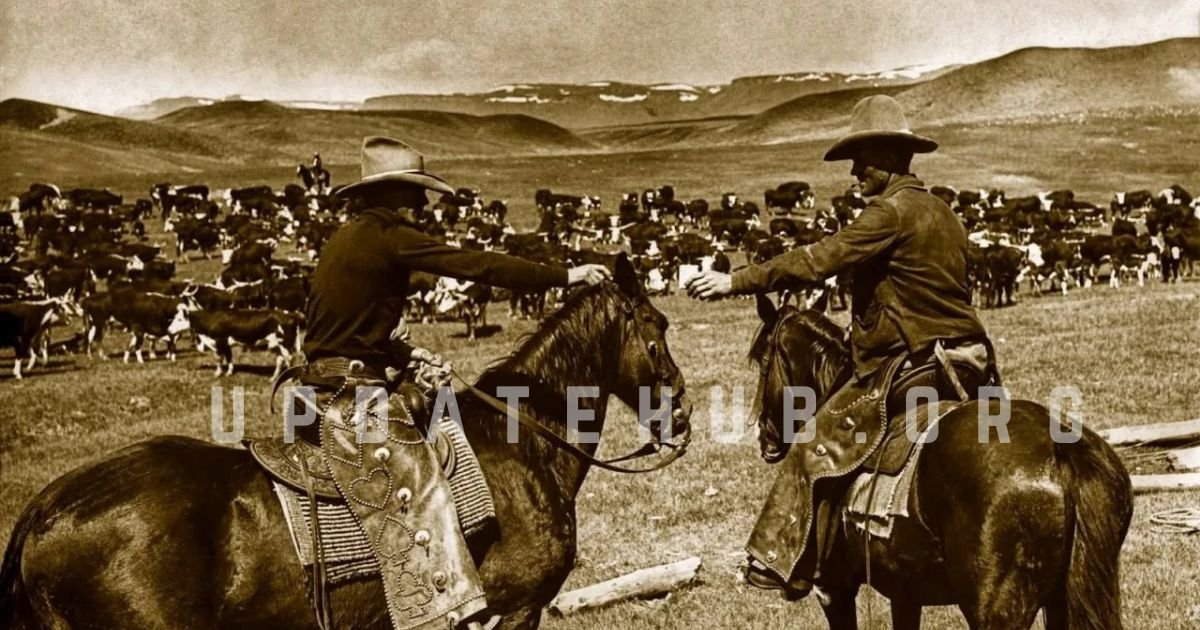
The American cowboy is one of the most recognizable figures in Western history. A rider on horseback, a wide-brimmed hat, leather boots, and an open landscape often come to mind immediately. But the real story is far more complex than the image created by Hollywood.
The traditions associated with cowboys developed over centuries. Spanish settlers introduced cattle and horses to the Americas, while Mexican vaqueros developed many of the ranching and horsemanship techniques that later became closely associated with the American West.
By the 19th century, the expansion of cattle ranching created a growing demand for skilled workers. These ranch hands spent long days moving cattle, caring for horses, repairing fences, managing livestock, and traveling across difficult terrain.
Their work was rarely as dramatic as Western movies suggest. It demanded patience, physical strength, animal-handling knowledge, and the ability to work in changing weather and unfamiliar landscapes.
Understanding this history reveals how the cowboy became both a real occupation and a powerful cultural symbol.
Where Did Cowboys Come From?
The roots of the American cowboy tradition reach back to Spanish ranching in the Americas. Beginning in the 16th century, Spanish settlers brought cattle, horses, and ranching practices to territories that eventually became parts of Mexico and the southwestern United States.
As livestock populations grew, ranchers needed skilled horsemen who could manage animals across large areas. Mexican vaqueros became highly experienced in horseback riding, cattle handling, roping, branding, and other ranching skills.
These traditions gradually moved northward. In places such as Texas and the American Southwest, ranching expanded and adapted to local conditions.
The word “cowboy” became increasingly associated with American cattle workers during the 19th century. However, the occupation was built on techniques that were already centuries old.
The development of the American West also changed the scale of cattle production. Large herds required workers who could spend extended periods outdoors and manage livestock over considerable distances.
This history shows that the cowboy did not emerge suddenly from an empty frontier. Instead, the occupation developed through cultural exchange, economic expansion, and generations of practical ranching knowledge.
The Influence of Mexican Vaqueros
Mexican vaqueros were central to the development of Western ranching traditions. Their influence can still be seen in the language, clothing, equipment, and techniques associated with ranch work.
Several familiar Western terms have Spanish origins. Words such as ranch, rodeo, corral, bronco, and lariat reflect the connection between Mexican ranching culture and later American cattle work.
Vaqueros also developed sophisticated methods for working with cattle from horseback. Their expertise with ropes, saddles, horses, and livestock became an important foundation for ranching throughout the Southwest.
American cattle workers adopted and adapted these methods rather than creating an entirely separate tradition.
The result was a distinctive Western culture influenced by Mexican, Spanish, Indigenous, African American, and European communities.
This cultural mixture is essential to understanding the history of the American West. It also demonstrates why the familiar cowboy image represents only one part of a much larger story.
Life on the Open Range
Life on the open range was demanding and often uncomfortable. Ranch workers could spend many hours in the saddle while dealing with intense heat, storms, cold nights, rough terrain, and limited access to basic comforts.
Daily responsibilities varied according to the ranch and season. Workers might inspect cattle, move herds, search for missing animals, care for horses, repair fences, or prepare livestock for transport.
Long cattle drives were particularly challenging. Large herds sometimes had to travel hundreds of miles toward railroads and markets.
Managing such a herd required constant attention. Animals could scatter, become frightened, or react suddenly to weather, unfamiliar surroundings, or other disturbances.
A skilled rider needed to understand cattle behavior rather than simply force animals in a particular direction.
Horse care was another essential responsibility. Horses were the primary working partners of ranch hands, so workers needed to understand feeding, grooming, saddling, and basic animal care.
After a long day, meals and sleeping arrangements were often simple. During cattle drives, workers could sleep outdoors and prepare food around a campfire.
The reality was much more about endurance and responsibility than gunfights or dramatic confrontations.
Cowboy Skills, Clothing, and Equipment
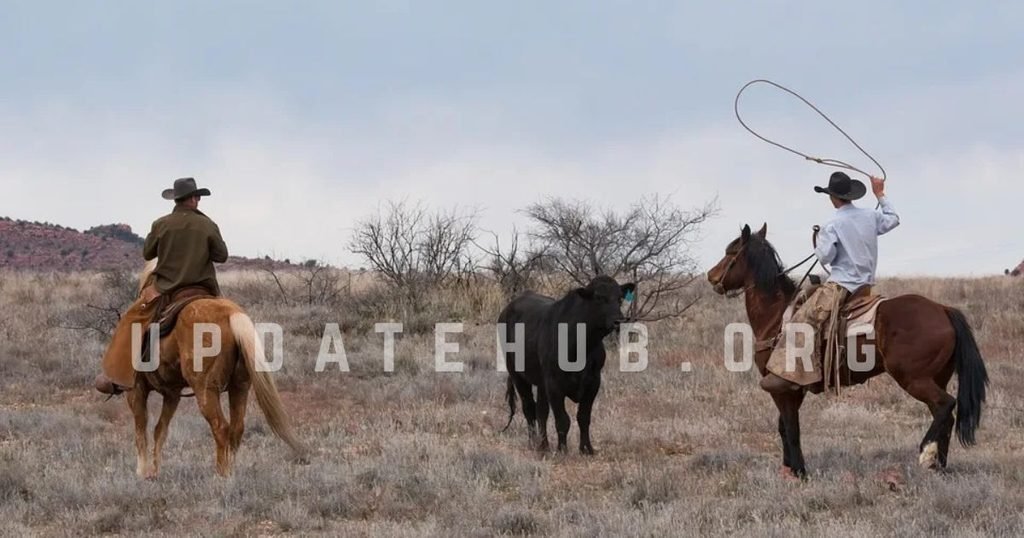
The traditional clothing and equipment associated with the American West developed largely because they were useful.
The Cowboy Hat
A broad-brimmed hat could provide protection from sunlight and rain. Different regions developed different hat styles, but practicality was usually more important than appearance.
Western Boots
High leather boots protected the legs and helped riders maintain their position in stirrups. Their construction also made them suitable for long hours around horses and livestock.
The Saddle
A Western saddle provided stability for extended periods of riding. Its design also made it practical for ranch work, including handling ropes and securing equipment.
The Lariat
The lariat, or ranch rope, became one of the most recognizable pieces of Western equipment. Skilled riders could use it to catch or control livestock when necessary.
Chaps
Leather chaps helped protect a rider’s legs from thorny vegetation, brush, and other hazards encountered while working around cattle.
Spurs
Spurs were used as communication tools between rider and horse. Experienced riders used them carefully rather than simply applying constant pressure.
These items later became cultural symbols, but their original purpose was practical. They helped workers perform difficult tasks more safely and efficiently.
Who Were the Cowboys?
The historical population of Western cattle workers was much more diverse than popular culture often suggests.
Black cowboys played an important role in the American cattle industry, particularly after the Civil War. Some had developed livestock skills while enslaved, while others entered ranching and cattle driving after emancipation.
Mexican and Hispanic ranch workers also remained influential throughout the Southwest. Their knowledge of livestock, horses, and ranching continued across generations.
Indigenous people participated in many aspects of Western economic life and influenced regional traditions, although their experiences were shaped by displacement, conflict, and major political changes.
Women were also part of Western ranching communities. They worked with livestock, managed ranch households, operated businesses, and participated in equestrian activities.
The Western cattle industry therefore cannot accurately be described as the work of one ethnic or social group.
Recognizing this diversity makes the history more accurate and helps separate the real American West from the simplified version frequently presented in entertainment.
The Rise and Decline of Cattle Drives
The great cattle-drive era developed partly because Texas contained enormous herds of cattle while growing markets elsewhere created demand for beef.
After the Civil War, ranchers needed practical ways to move cattle toward railroads and commercial markets. Long-distance cattle drives provided one solution.
A typical drive required a relatively small team to manage a large herd. Workers had to keep cattle moving, maintain the herd’s formation, locate strays, and respond to changing conditions.
Weather could make the journey especially difficult. Heavy rain could turn trails into mud, while drought could reduce available water and grazing.
River crossings were another challenge. A frightened herd could become difficult to control, creating dangerous situations for both animals and riders.
But the great cattle-drive era eventually declined.
Railroads expanded across the West, providing faster transportation for cattle. Barbed wire also changed the landscape by allowing landowners to divide and enclose grazing areas.
As open-range ranching became less common, long-distance trail drives lost much of their economic importance.
The cowboy did not disappear. Instead, ranch work evolved toward fenced ranches, organized livestock operations, and new technologies.
The Difference Between History and Hollywood
The cowboy became a cultural icon partly because the American public developed a fascination with the frontier.
Newspapers, dime novels, traveling shows, photography, and eventually motion pictures transformed ordinary ranch workers into larger-than-life characters.
Hollywood expanded that mythology even further.
Western films frequently portrayed solitary riders, dramatic shootouts, frontier towns, heroic lawmen, and villains. These stories created an entertaining version of the West, but they did not necessarily reflect the daily reality of ranch workers.
Most working days involved livestock, horses, weather, equipment, land, and repetitive physical labor.
The fictional cowboy nevertheless represented values that audiences found appealing: courage, independence, resilience, loyalty, and self-reliance.
That symbolic role became one of the most important parts of cowboy culture.
The difference between historical reality and popular mythology does not make the cowboy story less interesting. In many ways, it makes the story more fascinating because it reveals how real people and occupations can become cultural symbols.
Cowboy Culture Today
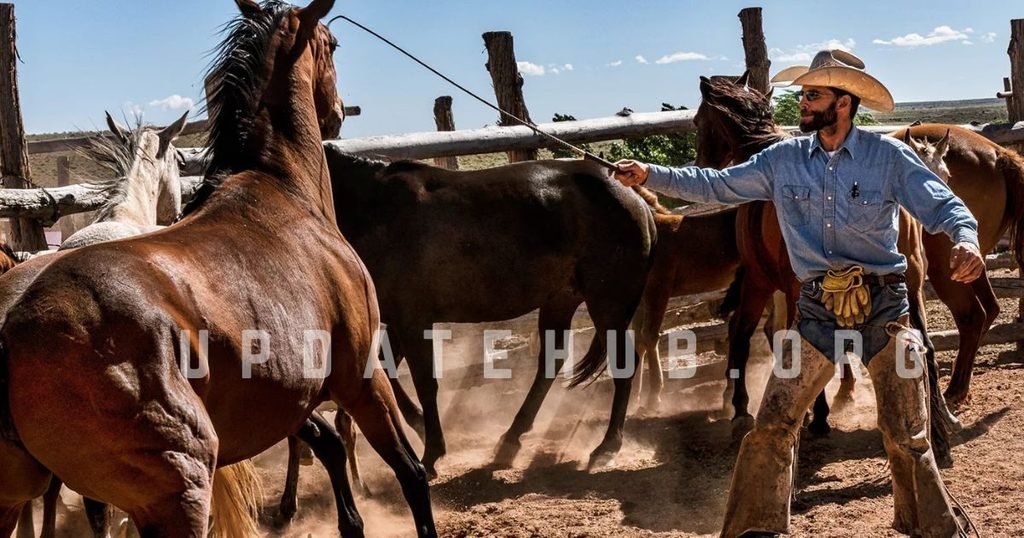
Although the classic open-range era has ended, Western ranching traditions remain alive.
Modern ranch workers still care for cattle, manage grazing land, maintain fences, work with horses, monitor livestock, and respond to changing environmental conditions.
Technology has transformed the work. Trucks, trailers, veterinary advances, communication systems, fencing technology, and modern agricultural equipment have changed how ranches operate.
At the same time, many traditional skills remain valuable.
Rodeo provides another important connection to Western history. Events involving roping, riding, and livestock competition preserve skills that originated in working ranch environments while presenting them as organized sports.
Western clothing has also moved beyond ranches. Cowboy boots, hats, denim, leather, and Western shirts remain popular in fashion and entertainment.
Music has helped preserve the cultural image as well. Country and Western traditions frequently explore themes of horses, open landscapes, work, independence, family, travel, and rural life.
Museums, historic ranches, Western festivals, and heritage sites provide additional ways for people to explore the history of the American frontier.
Modern cowboy culture therefore combines genuine ranching traditions with a broader cultural identity that has developed through generations.
Why the Cowboy Still Matters
The lasting importance of the cowboy comes from both history and symbolism.
Historically, ranch workers helped build an industry that connected cattle-producing regions with growing American markets. Their work was part of major changes involving railroads, settlement, land use, transportation, and economic development.
Culturally, the cowboy came to represent independence and resilience.
The image of a rider moving across a wide landscape can symbolize freedom, self-reliance, adventure, and the ability to survive difficult circumstances.
Yet the deeper story also reminds us that the West was never culturally simple.
Mexican vaqueros, Black ranch workers, Indigenous communities, women, immigrants, and many other groups contributed to Western life.
That broader perspective makes the subject more meaningful. Instead of treating the cowboy as a fictional character, we can understand the figure as the result of real people, real work, and a constantly changing society.
Frequently Asked Questions
1. Where did the cowboy tradition begin?
The tradition developed from Spanish and Mexican ranching practices in the Americas. Mexican vaqueros played a particularly important role in shaping the skills later associated with American cattle workers.
2. What did cowboys do every day?
Their duties included herding cattle, caring for horses, repairing fences, searching for livestock, moving herds, branding animals, and maintaining ranch operations.
3. Were there Black cowboys?
Yes. Black ranch workers and cattle drivers were an important part of Western history, especially during the period following the Civil War.
4. Why did cattle drives end?
Railroads made livestock transportation more efficient, while barbed wire allowed ranchers to create enclosed pastures. These developments reduced the need for long-distance open-range drives.
5. Are cowboys still working today?
Yes. Modern ranch workers continue to care for cattle and horses and manage ranch land. Although technology has changed their work, many traditional skills remain useful.
Conclusion
The story of the American cowboy is far richer than the familiar image of a lone rider in a Western movie.
It grew from Spanish and Mexican ranching traditions, expanded through the cattle industry, and was shaped by Black, Indigenous, Hispanic, European, and other communities across the American West.
The work demanded physical endurance, horsemanship, animal knowledge, patience, and adaptability. Cattle drives, open-range ranching, and changing transportation systems helped define an important period of American history.
Later, literature, photography, music, and Hollywood transformed the working ranch hand into a cultural symbol of freedom and independence.
That combination of historical reality and cultural mythology explains why the cowboy remains recognizable today. The traditional frontier has changed, but its influence can still be seen in ranching, rodeo, Western fashion, music, tourism, and popular culture.
