

College football combines athletic competition, school traditions, historic rivalries, passionate fan bases, and one of the most closely followed postseason races in American sports. For longtime fans, a Saturday can revolve around dozens of games, conference standings, national rankings, and playoff implications. For newcomers, however, the sport can seem complicated.
Understanding how teams, conferences, rankings, schedules, bowl games, and the College Football Playoff fit together makes the entire season much easier to follow.
This complete guide explains the modern college football landscape in straightforward language. It covers the major teams and conferences, how rankings work, how to follow scores and schedules, how the playoff is structured, and the factors that shape a team’s journey toward a national championship.
What Is College Football?
College football is American football played by teams representing colleges and universities. The sport is governed within the NCAA structure, with several competitive divisions and subdivisions.
The most prominent level is the Football Bowl Subdivision, or FBS. This is the level most fans associate with nationally televised games, major conferences, the AP Top 25, bowl games, and the College Football Playoff.
Another Division I level is the Football Championship Subdivision, or FCS. FCS programs compete under a different postseason system, with a tournament used to determine the national champion.
There are also Division II and Division III programs, each with their own rules, conferences, schedules, and postseason opportunities.
What makes the college game particularly distinctive is its connection to universities and communities. Teams represent schools rather than professional franchises, and their identities are often tied to decades of history.
A rivalry can involve generations of alumni and fans. A game between two schools may carry enormous emotional importance even when neither team is competing for the national championship.
How College Football Is Organized
The easiest way to understand the sport is to think of it as a large network of teams divided into conferences and competitive levels.
FBS teams generally play a mixture of conference games and nonconference games during the regular season. Conference games help determine league standings and, where applicable, conference championship opportunities.
Nonconference games can also be extremely important. A victory over a highly regarded opponent may strengthen a team’s postseason résumé, while an unexpected loss can damage its national standing.
The modern FBS landscape includes major conferences such as:
- SEC
- Big Ten
- Big 12
- ACC
- American Athletic Conference
- Conference USA
- Mountain West
- Mid-American Conference
- Sun Belt
There are also independent programs that do not belong to an FBS football conference.
Conference membership has changed considerably in recent years. Realignment has affected traditional rivalries, travel, television arrangements, scheduling, and championship competition.
Because of those changes, current conference membership should always be checked against an up-to-date source rather than relying on older articles.
Major Teams and Conferences
The sport features hundreds of programs, but some schools receive considerably more national attention because of their history, fan bases, recruiting success, facilities, conference position, or recent performance.
SEC
The Southeastern Conference is home to several nationally prominent programs, including Alabama, Georgia, LSU, Florida, Tennessee, Texas, Oklahoma, and others.
SEC games frequently receive significant national attention, particularly when highly ranked teams meet during conference play.
Big Ten
The Big Ten includes programs such as Ohio State, Michigan, Penn State, Iowa, Indiana, Oregon, USC, and others.
Its membership has expanded significantly, bringing together programs from different regions and adding new conference rivalries.
Big 12
The Big 12 features programs including Texas Tech, BYU, TCU, Houston, Utah, and others.
The conference has experienced substantial membership changes, making it one of the clearest examples of how conference realignment has reshaped the sport.
ACC
The Atlantic Coast Conference includes programs such as Clemson, Miami, Florida State, North Carolina, SMU, and others.
The conference also plays an important role in the national postseason picture.
Independent Programs
Not every major program is affiliated with an FBS conference for football. Notre Dame is the most prominent example.
Independent status means the school manages its football schedule outside a traditional conference football schedule, although its broader athletic department can have conference relationships in other sports.
Understanding College Football Rankings
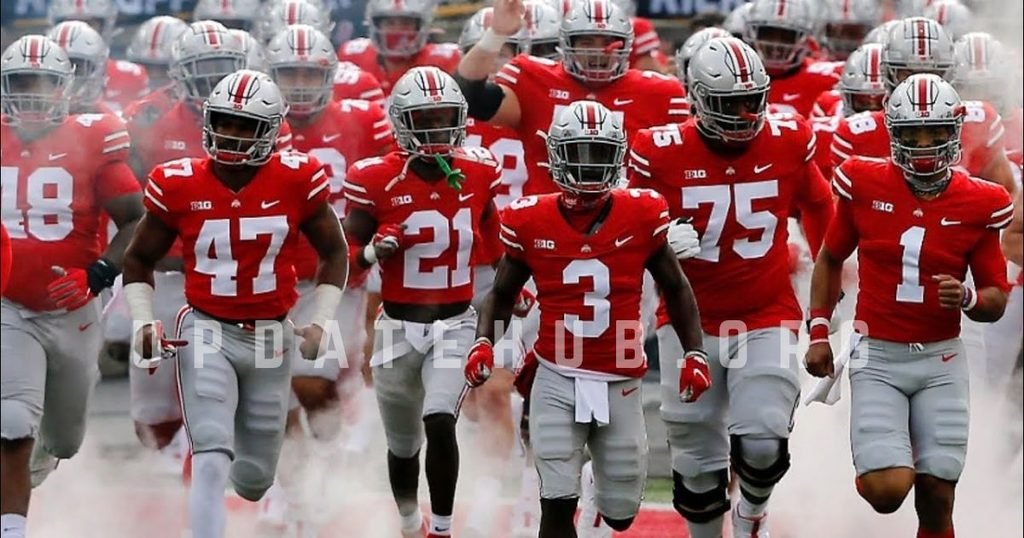
Rankings are one of the most visible parts of the season.
The Associated Press Top 25 is a weekly media poll that ranks 25 FBS teams. It gives fans a quick way to understand which teams are receiving the most national recognition at a particular point in the season.
However, rankings should be viewed as snapshots rather than permanent judgments.
A team can move significantly after a major victory, an unexpected loss, or a difficult stretch of games.
AP Top 25
The AP poll is produced by a panel of sports media members.
It is useful for understanding national perception and following the weekly storyline of the season.
CFP Rankings
The College Football Playoff Selection Committee produces a separate set of rankings.
These rankings become particularly important because the final committee rankings are used to establish the playoff field.
The committee considers multiple aspects of team performance, including records, schedules, quality victories, losses, and other comparative information outlined in the CFP selection process.
That means a team ranked highly in the AP poll is not automatically guaranteed the same position in the final CFP rankings.
Following Scores and Schedules
A college football schedule can contain a huge number of games on the same day.
The easiest way to follow the action is to divide games into categories.
Ranked Matchups
Games involving two ranked teams usually attract the most national attention.
They can directly influence the rankings and sometimes have major playoff implications.
Conference Games
Conference matchups are important because they influence league standings and, depending on the conference structure, championship opportunities.
Rivalry Games
Some rivalry games receive enormous attention regardless of the teams’ national rankings.
Nonconference Games
Nonconference contests can give teams opportunities to build strong résumés before the most important conference games arrive.
When checking a schedule, pay attention to the date, kickoff time, venue, television information, rankings, and whether the game is a conference matchup.
The College Football Playoff Explained
The College Football Playoff is the championship postseason for FBS football.
The modern playoff uses a 12-team format, creating a larger championship field than the original four-team system.
The structure gives conference champions and highly ranked teams different pathways into the postseason.
According to the official 2026-27 CFP structure, the field consists of designated conference champions and additional highly ranked teams based on the final CFP rankings.
The system makes the regular season especially important because teams are competing not only for victories but also for positioning within the postseason selection process.
Conference Champions
Winning a conference can provide an important route into the playoff.
Conference championship races therefore become increasingly significant as the regular season progresses.
At-Large Teams
A team does not necessarily have to win its conference to reach the playoff.
Highly ranked teams that meet the selection criteria can earn at-large places in the field.
This creates additional competition late in the season because several teams can be fighting for a limited number of postseason positions.
Playoff Selection
The CFP Selection Committee evaluates teams throughout the season and eventually releases its final rankings.
The final field is then established according to the published playoff rules.
The process makes late-season games particularly important. A single victory or loss can change the postseason landscape.
Bowl Games and the Postseason
Bowl games are an important tradition in American college football.
Not every bowl game is part of the College Football Playoff. Many bowls provide postseason opportunities for teams that meet eligibility requirements but are outside the CFP field.
Bowl season can include matchups between teams from different conferences and gives players and programs another opportunity to finish the year with a meaningful victory.
The postseason can therefore include:
- Conference championship games
- Non-CFP bowl games
- CFP first-round games
- CFP quarterfinals
- CFP semifinals
- National championship game
For fans, bowl season also creates opportunities to see unusual matchups that may not occur during the regular season.
Players, Coaches, Recruiting, and Transfers
The teams seen on the field are shaped by much more than game-day strategy.
Recruiting, player development, coaching, transfers, and roster management have become central parts of modern college football.
Quarterbacks and Skill Players
Quarterbacks often attract the most attention because of their role in passing and offensive decision-making.
Running backs, wide receivers, tight ends, defensive linemen, linebackers, defensive backs, and specialists can be equally important to a team’s success.
A strong roster requires balance across multiple positions.
Coaches
Head coaches are responsible for managing many aspects of a program.
Their responsibilities can include:
- Game preparation
- Staff management
- Recruiting
- Player development
- Practice organization
- Offensive and defensive philosophy
- In-game decisions
A coaching change can therefore reshape a program’s identity.
Recruiting
Recruiting brings high-school talent into college programs.
Programs invest significant resources in identifying players who can contribute immediately or develop into future starters.
Recruiting rankings can be useful for understanding incoming talent, but they do not guarantee future success.
Player development, coaching, injuries, playing opportunities, and many other factors influence what happens after a recruit reaches college.
Transfer Portal
The transfer portal has changed roster management dramatically.
Players can transfer between programs under NCAA rules, while schools can use transfers to address roster needs.
As a result, following a team now requires looking beyond its high-school recruiting class. Transfer additions and departures can significantly alter a roster from one season to the next.
Rivalries and College Football Culture
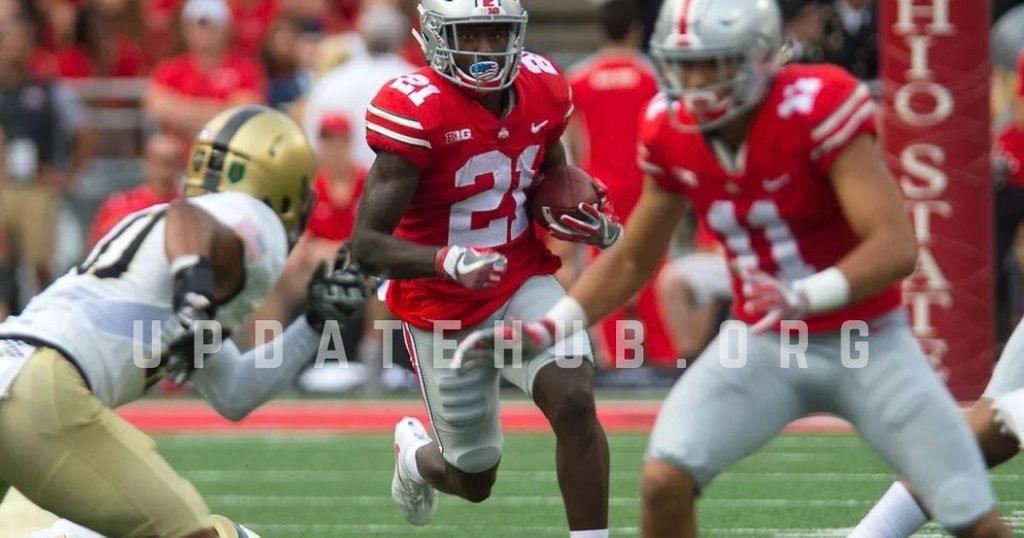
One of the most important differences between college and professional football is the role of tradition.
Many college rivalries have existed for generations.
Fans may attend the same rivalry game their parents and grandparents watched. Schools often build traditions around trophies, special uniforms, marching bands, campus celebrations, and pregame ceremonies.
The atmosphere surrounding a major college game can be as important to supporters as the action itself.
Stadiums can become symbols of university identity, and home-field advantage can have a strong cultural meaning.
This connection between sports and education is one reason the college game has maintained such a passionate following.
How to Follow a College Football Season
You do not need to watch every game to understand the national picture.
A simple routine can make following the season much easier.
Start With the Rankings
Check the AP Top 25 to see which teams are receiving national attention.
Review the Schedule
Look for games involving ranked teams and major conference matchups.
Follow Conference Standings
Conference records become increasingly important as the season progresses.
Watch for Upsets
Unexpected results can change the rankings and playoff conversation quickly.
Track CFP Rankings
Once the Selection Committee begins releasing its rankings, compare them with the AP poll and look at which teams are moving into or out of playoff contention.
Follow Major Player and Coaching News
Quarterback changes, injuries, coaching moves, recruiting developments, and transfers can influence how teams perform.
This approach provides enough context to understand the major storylines without becoming overwhelmed by the number of games.
What Makes College Football Different?
The sport’s appeal comes from the combination of competition and identity.
Professional teams are generally associated with cities or regions. College teams represent institutions with histories that can span more than a century.
That creates a different relationship between teams and supporters.
A university’s football program can influence campus culture, alumni relationships, local businesses, media coverage, and regional identity.
The sport also offers an unusual mixture of tradition and rapid change.
Historic rivalries continue while conferences realign. Traditional stadiums coexist with modern facilities. Recruiting remains important while the transfer portal creates new roster opportunities.
The result is a sport that can feel familiar from year to year while changing significantly underneath the surface.
College Football and the Road to a National Championship
The championship race is best understood as a season-long process.
Early games establish records and reveal which teams may become national contenders.
Conference play then provides tougher tests and creates championship races.
As the season progresses, ranked matchups become more important. A victory over another highly regarded program can strengthen a team’s postseason résumé, while a loss can create difficult questions about its championship chances.
The conference championship stage provides another major test.
Eventually, the College Football Playoff Selection Committee establishes the final playoff field.
The teams that advance through the playoff rounds then compete for the national championship.
This structure gives the season a clear progression:
Regular season → Conference races → Rankings → CFP selection → Playoff → National championship
Frequently Asked Questions
What is college football?
College football is American football played by college and university teams. FBS is the highest-profile level and includes the programs competing for the College Football Playoff championship.
How does the College Football Playoff work?
The modern CFP uses a 12-team field. Conference champions and other highly ranked teams qualify according to the official selection structure, followed by playoff rounds leading to the national championship.
What is the difference between the AP Top 25 and CFP rankings?
The AP Top 25 is a media poll. CFP rankings are produced by the College Football Playoff Selection Committee and are used in establishing the playoff field.
How can I find college football scores and schedules?
Official NCAA coverage and major sports networks provide schedules, scores, rankings, statistics, standings, and game information throughout the season.
Why are conference games so important?
Conference games affect league standings and can influence conference championship opportunities. They can also contribute significantly to a team’s postseason résumé.
Final Thoughts
College football is much easier to understand once its major components are connected. Teams compete through regular-season schedules, conferences create important competitive structures, rankings provide snapshots of national attention, and the postseason determines the championship field.
For new fans, the best approach is to start with the basics: learn the major conferences, follow ranked teams, understand the difference between the AP poll and CFP rankings, and keep an eye on important conference games.
From there, the sport becomes much more engaging. Rivalries add tradition, recruiting and transfers shape rosters, coaches influence team identity, and the playoff gives the season a dramatic conclusion.
Most importantly, current information matters. Rankings, schedules, conference membership, playoff rules, and rosters can change. Checking reliable and official sources helps ensure that the information you follow reflects the current season rather than an outdated version of the sport.
